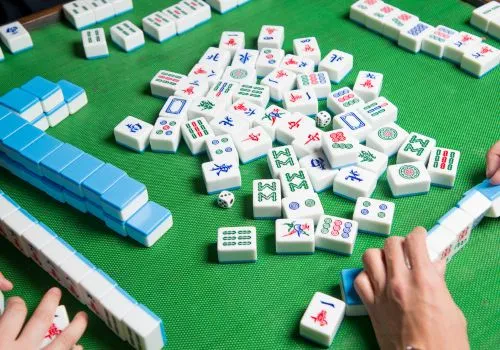


Learning to play Japanese mah laichi, or mahjong, seems a bit overwhelming. There are many rules and many things to remember. But once you get the basics, you get the good looks. If you’re tired of playing cards or just want to be more interesting to pass the time than to stop rolling the phone, Riichi Majong may be the answer. It adds a number of unique twists for traditional mahmy, especially when referring to the type of bricks used, the batting and rounding system. This guide will include settings, rules, and beatings for new players to start playing.
Riichi Majong Basic
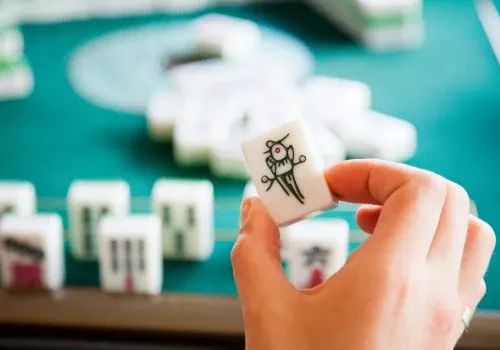
Understanding the basics of playing Japanese mash is what gives you the best platform to play with friends and play. It may initially feel a little overwhelmed, but that’s why we break it, piece by piece.
Understanding the pieces and setting
What do you need to play Riichi Majong? First, you’ll need a Riichi brick set. No use of American variants or original Chinese versions. That means you will be established with 136 pieces of brick, divided into suits and honors. The suit includes characters, bamboo, and dots. And honor includes wind and dragon. Chinese bricks feature flowers and seasons, but riichi is not, so finding them is a good way to know you’re using the right set.
Often, you’ll play with a four-group. Each player begins with 13 bricks, and the goal is to make four sets and a pair in hand. But what does that mean? The setting is a three-piece group that is available in a sequence (i.e., 1, 2, 3, 6, 7, 8 or the same) or three pieces (i.e., they are all the same block). Strings and sequences need to be in the same suit. The pair is two in the same piece in the same suit or honour.
There’s a lot more complexity in how you can win, but this is a general drawing.
How the Game Spreads
Once everyone has 13 pieces of hand, you start playing in a series of rounds. Each round of you, you need to draw a brick line and remove a brick line. Once you’re away from winning, you’re going to call riichi, which you should think about calling “uno” – that’s just the way to signal you’re going to win.
Players may ask for a tile slice to create a set of three, called weld, so you’d want to notice what other players are throwing back. But remember, you can only order tile if it’s the last thing you need to complete one set.
Play on until player wins or all the bricks on the wall are divided. There is also a bet system that can be brought into the game, but better for new people to start putting it aside.
The One Law in Riichi Majong
The law of Japanese mahre is slightly different, and understanding these unique rules is essential to the game. Again, to keep everything as simple as possible while you’re learning, we’ll focus on three specific rules.
- Riichi declaration: This is when you claim or call out “riichi” as soon as you just miss a brick to win. This also locks your hands (which means you can only draw new bricks and have to remove them immediately if they are not the winning bricks).
- Dora County: These are supplemental tiles that, when discovered, can accelerate. They are played randomly throughout the game. One example is 5 in red in each suit, which will give you 1 + 1 in the hand.
- Chombo punishment: These are the mistakes created in the game that are the big ones. More than just a quick “ofs” these mistakes lead to irrevocable changes in the game (as if revealing your hand too soon). The penalty is not a flat number, but may differ depending on the risk and the game in question.
Photographs and tactics in Riichi Majong
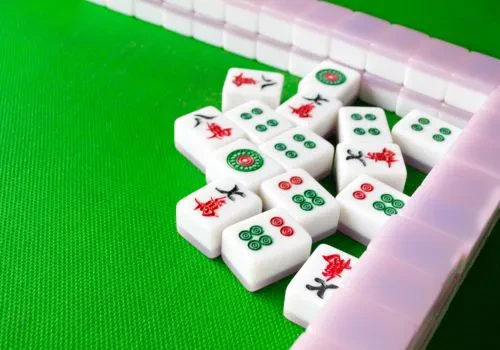
Splinting and the strategy will be the hardest part to master so don’t be discouraged if things don’t click when you read them. We’ll try to take you one step at a time and make it as clear as possible so you’re ready for a game.
What Yaku is and why it matters
In mash, you need to understand yaku, which is the specific combination of bricks or conditions for the value of the hand. A winning hand must contain at least one yaku considered valid. Some examples of yaku include:
- Tanyao: This means “all simple” and is when the hand only has the number 2–8. It is one of the fastest and easiest Yuk to obtain.
- Pinfu: This is when your hand has four strings, your pair can’t be any honour brick the fu prize, you’re waiting on a double-sided run, and your hand is completely concealed.
- Yakuhai: This is when you have three or four honor bricks specifically wind or dragon.
Understanding this is one of the most complicated parts of Riichi Majong!
How did Riichi Majong manage?
In real life, beatings work like Monopoy or poker. Each player receives a bundle of different value sticks, and this will be your final point. First, you want to count your han, which is the value of your hand based on yaku and Dora. Then you’ll need to compute your basic point, which you can do by adding any extra fu to your boot fu of 20 then, you multiply your fu with your han, and that’s your score.
But because riichi mahjong is complicated, many players will use a simple typeboard to help them calculate rather than try to do it out of their heads. You can find an example here.
Tips Friends Begin
There are a few simple strategies that you can try to make you new. First, aim for the easiest yku. Just because it’s quick to get there doesn’t mean it’s not worth it! You can also forget Dora in the first game. Focus on building yaku first and above. If you can take a Dora, great, but don’t let it swallow you. And in the end, don’t be afraid to give up riichi soon. Yes, it’s locked in your hand, which can make you feel a little bit scary, but it can also increase your opponent’s initial pressure and eventually you will be paid higher.
Why try Riichi Majong?
Now that you know how to play mash riichi, you’re ready to play professional! Okay, maybe not just a very complicated game. That means it will bring more rewards when you finally master it. The most important thing to remember is less worrying about the score to start and more about getting dealt with rules, which can only be accompanied by reality. If you just want to get used to the bricks, then check out 247 fucking games. There, you’ll see tons of tile games and cards you can play for free online or in applications. Furthermore, it follows statistics and has seasons to keep things fresh. Let’s start playing today.